As a continuation of „When you’re alone in your forest, always remember you’re not alone”, COMMONWOUND extends my interest in performative situations that explore rebellion and unruly female bodies, contemporary practices of resilience, and the possibilities of transformation through dance and singing. Through movement, voices, and performative situations infused with absurd humour, I seek female figures oscillating between vulnerability and strength, victimhood and agency, the human and the machine, particularly through the use of a looper. Trauma appears here not only as an intimate experience but also as a societal symptom: the growing prominence of mental health discourse, healing practices, and the need to rebuild forms of collectivity. I am interested in unruly bodies and wish to develop this research with dancers whose practices are hybrid—particularly between contemporary dance and krump—embodied languages rooted in physical experience and personal narratives. Drawing on my choreographic and vocal tools, notably the Lithuanian polyphonic songs sutartinės (from the Lithuanian verb sutarti, meaning “to be in agreement” or “to speak together”), which I approach as languages of resistance, I aim to create a polyphony of bodies and voices. The collective choreographic and sonic processes will be nourished by women’s testimonies, gathered in collaboration with support structures in Belgium and Lithuania, and subsequently transformed into autofictional scores.
Project Presentation
The project explores how violence inflicted on female bodies —psychological, physical, social, and symbolic — can be transformed into creative and political power. Drawing on the thinking of Donna Haraway, who calls for the construction of hybrid, feminist, post-human identities beyond imposed dualisms, the project develops a choreographic language that dismantles oppositions—feminine/masculine, victim/warrior, human/machine—to bring forth an unruly, multiple, reinvented body.
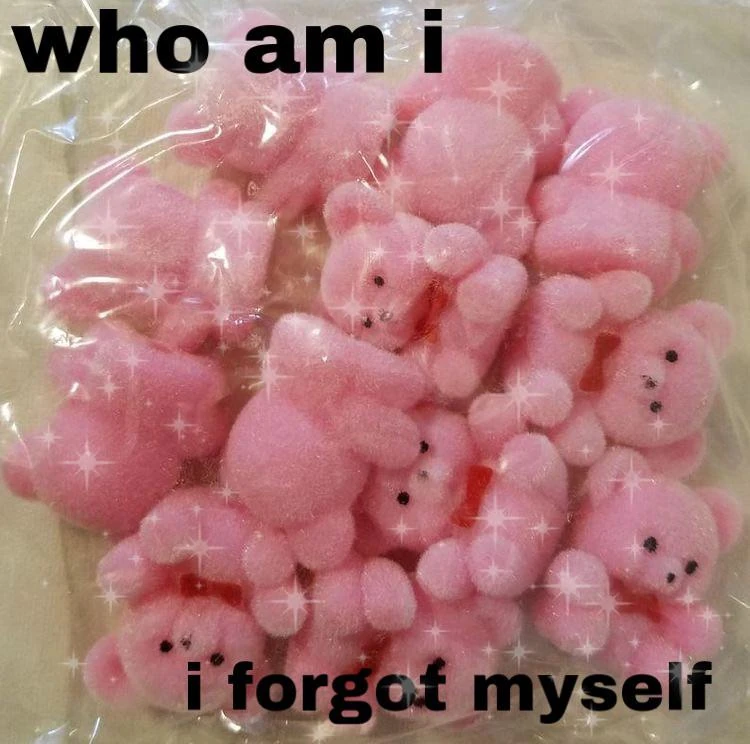
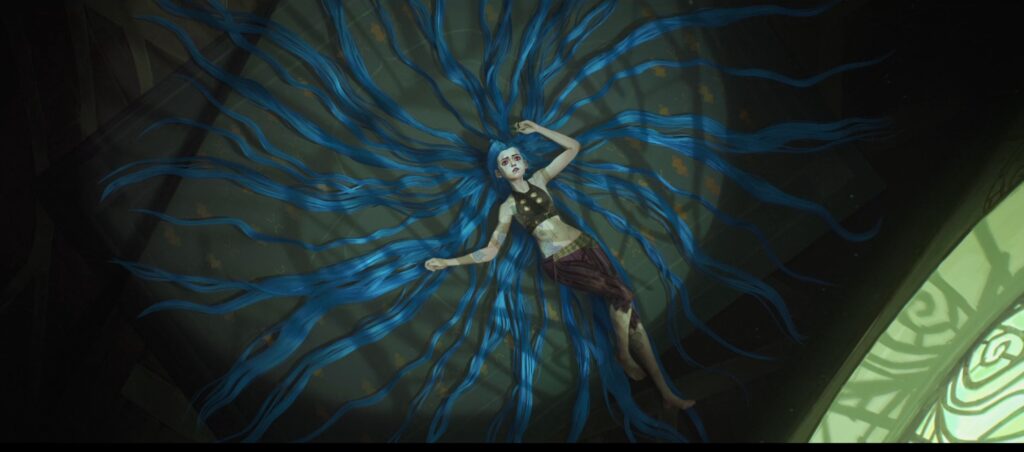
If I invoke the notion of trauma today because I am interested in the way trauma circulates through bodies, discourses, and images, and how it becomes a cultural material as much as an intimate experience. The notion of trauma now occupies a central place in contemporary discourse, to the extent of becoming almost fashionable. Traumatic experience—its narration and its healing—has entered identity aesthetics, notably traumacore, where signs of trauma are worn as cultural markers, sometimes through bodily, psychological, or behavioural disorders. Thus, the risk of the aestheticization of trauma within contemporary culture continues to grow, underscoring the relevance of the project, which proposes an alternative artistic approach in which trauma is neither silenced nor simplified. The project examines the narrative and political figure that emerges through the figure of the wounded woman: is she a victim, a survivor, a fighter, a witness, or rather a state of being that resists fixed and univocal definitions?
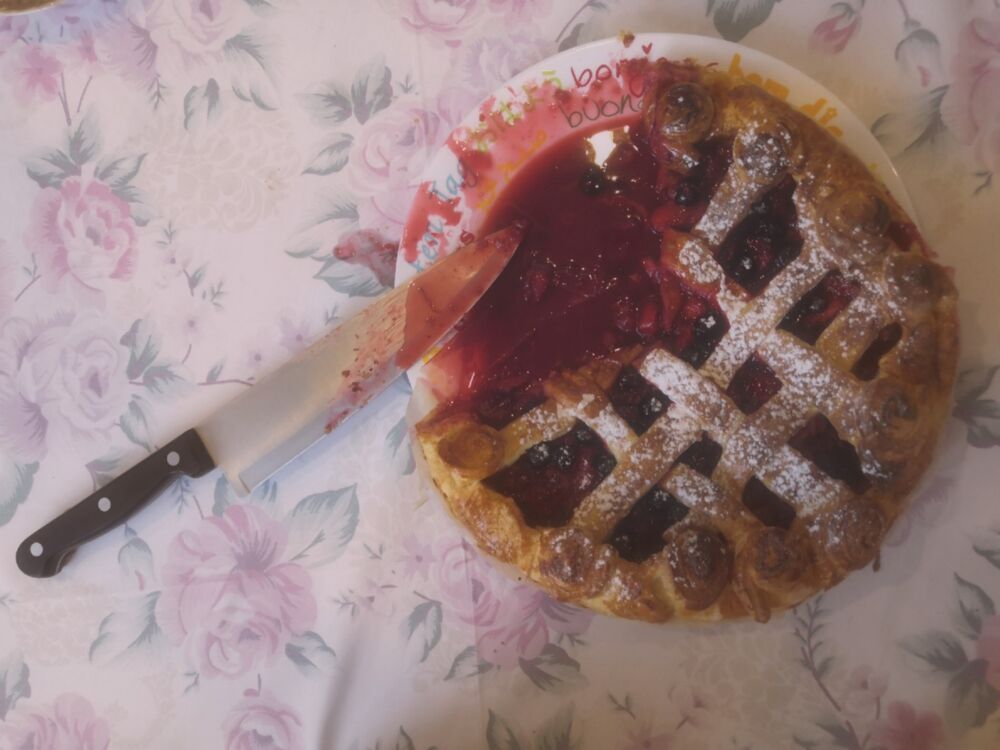
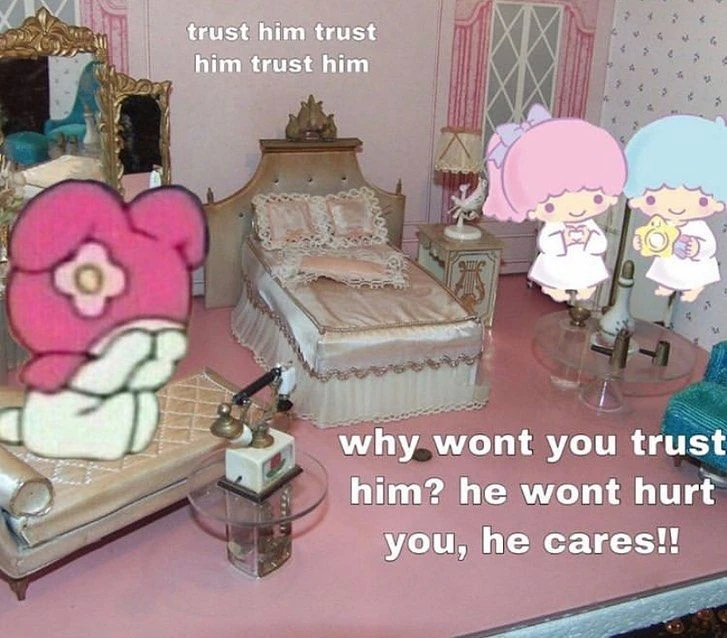
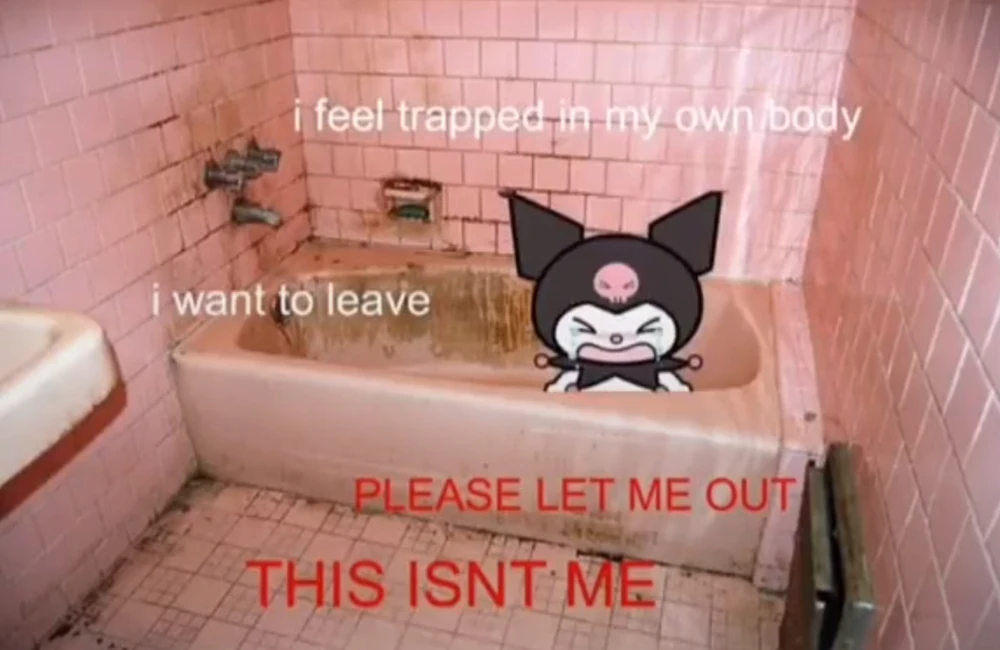
Traumacore, as an aesthetic emerging from online communities, crystallizes this phenomenon: an exposure of the signs of pain in the form of fragile, childlike pastel-saturated icons, where the wound appears simultaneously as confession, as mask, and as survival strategy. In my project, the aim is to integrate the expressive power of traumacore while shifting its stakes. Traumacore stages the wound as a visual motif, as a surface. I will therefore articulate two modes: that of traumacore, which exposes trauma as a sign and that of choreography, which works through trauma as a process. While traumacore reveals a generation that refuses to hide its pain—even at the risk of aestheticizing it—my work attempts to unfold this refusal: Which stories, which bodies are permitted to show their wounds? How do we move from image to action, from sign to energy, from symptom to a politics of the gesture? My work radicalizes the proposition by shifting it from the realm of imagery to that of collective and embodied practice. The project thus explores the possibility of a language in which the wound is no longer merely represented, but generative: capable of creating alliances, gestures, and forms of collective intelligence.
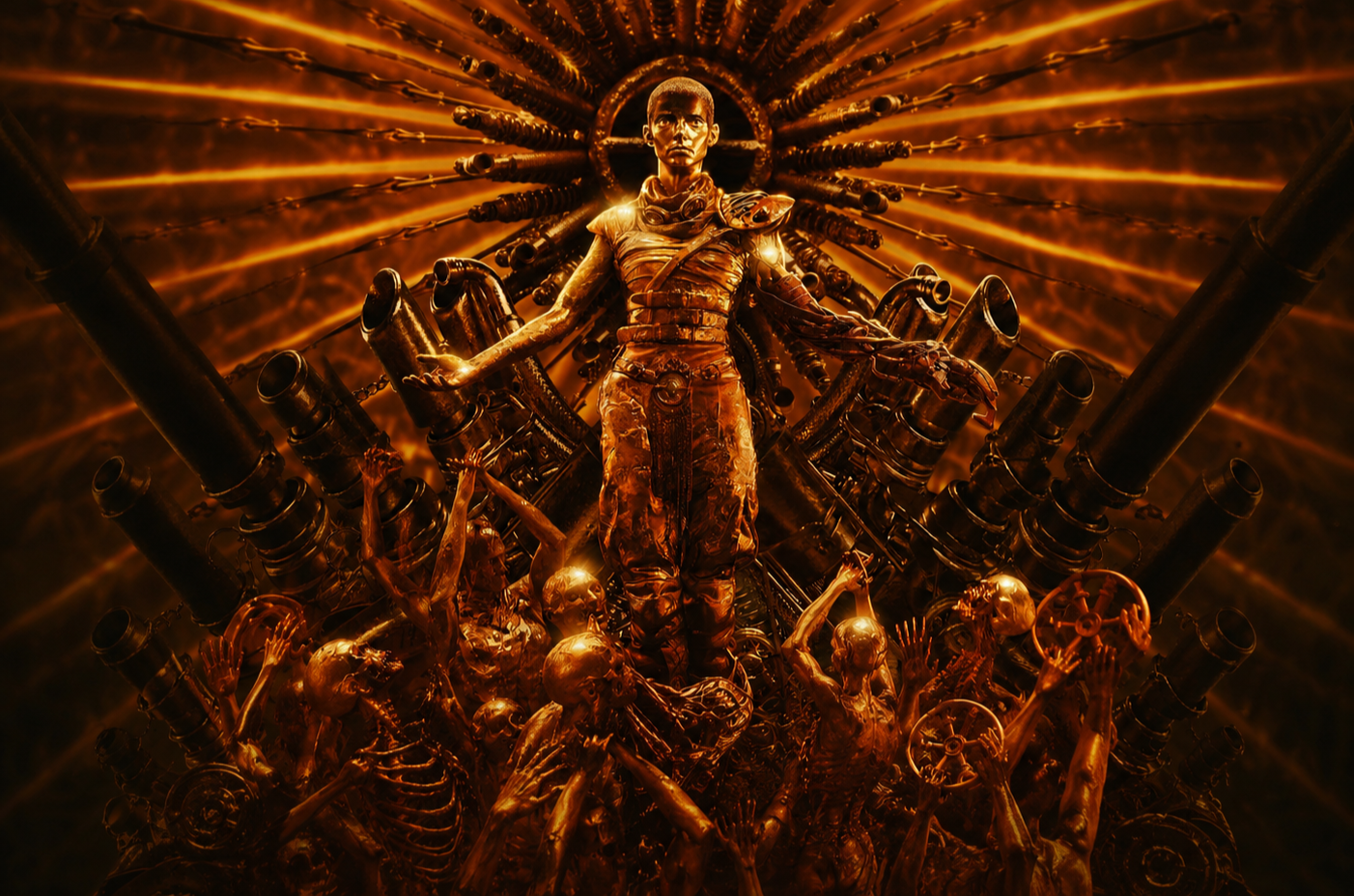
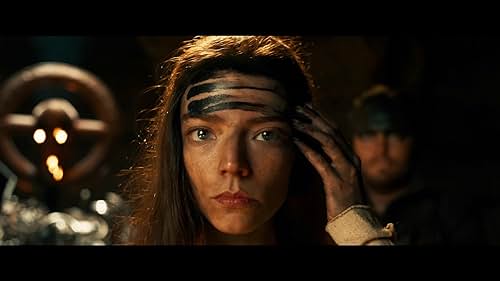
Consider the narrative of the Romantic ballet Giselle, in which wounded, betrayed, or abandoned women become madwomen or Wilis—wandering spirits returning to take revenge on men. This myth reveals a deeply rooted collective fear: the fear of strong women, warriors, amazons capable of turning suffering into power and demanding justice. An antifeminist worldview equates healing and claims for equality with vengeance—a projection of its own reflexes of domination. This collective imaginary, inherited from Romanticism and still active today, constructs the wounded woman as a threatening figure—a destructive force in gestation. This representation continues in popular culture: The Bride (Kill Bill), Furiosa (Mad Max: Fury Road), Lisbeth Salander (Millennium), Katniss Everdeen (Hunger Games), Ellie (The Last of Us Part II). Yet, what interests us in this project is not vengeance itself, but the moment before it: the moment of arming.That instant when a victim takes hold of her body, gestures, breath—not to go to war, but to invent a new power, a capacity for action that belongs neither to submission nor domination. I want to explore that fragile passage where fear becomes strength, where wounded bodies become capable of creating; where arming is not preparation for destruction, but for inventing a new relation to oneself and to the world—an in-between space where contradictions coexist: pain and strength, collapse and reinvention, vulnerability and superpower.
Research Questions
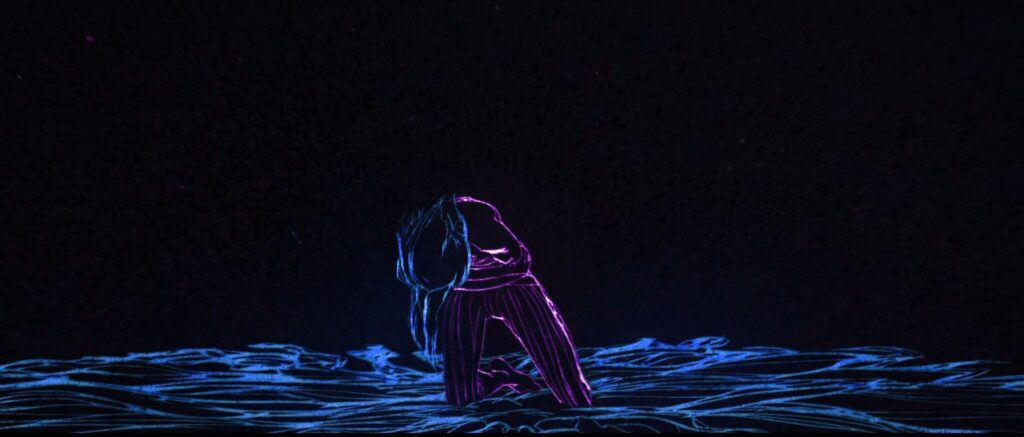
In the early stages of the project—through individual experimentation and workshops open to women and all those who identify as such—I would like to invite my collaborators to explore intimate questions we all share: Trauma is everywhere: we expose it, we perform it, we aestheticise it. The wound and its healing become an expected narrative. What story do I carry? Or what counter-narrative? How do I transform my wounds and traumas into creative and reparative energy? Am I afraid of being perceived as a victim—a loser, a failure, even guilty? Where is the boundary between victim and aggressor ? What are the layers of violence: the ones I have suffered, the ones I inflicted on myself to become stronger, the ones I have sometimes imposed on others so they too might become resilient? Ultimately, how do I inhabit a wounded body and turn it into a weapon, like a cyborg: a hybrid, unruly body that refuses the borders between human and machine, feminine and masculine, victim and warrior? Not smooth or perfect, but stitched together, rewritten, twisted—rooted in ancestral practices and at the same time technologically augmented—a body that forgets nothing but transforms everything.
Collective Exploration
Secondly, I wish to establish the conditions for experimentation and creation through which we can explore how bodies, when brought together, interact, transmit strength, and invent a shared language. Across many contexts, women have transformed everyday objects into instruments of resistance and political visibility: In Burkina Faso, during protests that led to the fall of President Blaise Compaoré, wooden spoons—normally used to prepare tô—were brandished as symbols of protest, giving rise to what some called the revolutionary soup. In Cameroon, Takembeng women use ritual and symbolic practices—such as ritual nudity—to defy authorities and affirm collective power. In Poland, Hungary, Romania, Lithuania, women use kitchen tools to create collective noise symbolising public anger. Together, we want to observe how bodies can weave a common energy, creating a choreographic language capable of reinventing the world surrounding them. The choreographic and sonic form of the project approaches trauma not through storytelling or representation, but through collective embodied action, functioning as a shared practice of experiencing and transforming trauma. When spectators recognize a traumatic experience, it can resonate with a collective memory, much as Greek tragedy once operated almost like a documentary for post-war audiences.
Methodology
Phase 1: Collection
Testimonies collected by myself through social workers and/or women in support structures (already initiated in Lithuania), archived with their consent (8 days in Lithuania and 8 days in Belgium). Participants: Vilma Pitrinaite, social workers, and women supported by the structures.
Phase 2: Transformation into Autofiction
Reading/listening to anonymous testimonies collected in Phase 1. Belgian dancers work from the Lithuanian archives and vice versa. This displacement reveals similarities—wounds and strengths—despite differing socio-cultural contexts, enriching the artistic process through diversity of perspectives and creating dialogue between ancestral and recent memories.
Participants integrate their own experiences to create autofictional textual scores. Through individual and collective writing exercises, the archives are rewritten and transformed into hybrid material between autobiography and fiction. Autofiction protects intimacy by blurring reality while giving universal power to singular experiences. Deliberate shifts and distortions turn testimony into artistic material, making the texts shareable and performable.
Phase 3: Development of Sonic and Choreographic Scores
Physical warm-ups inspired by my krump practice—not stylistic appropriation but exploration of its ancestral, universal force. In my solo “When you’re alone in your forest always remember you’re not alone”, krump helped embody resistance: arm movements as struggle or speech, grounded stances as strength, chest projections exploding with energy, facial expressions questioning and expressing emotion.
Work on sonic scores: text is divided into sharp, sometimes incomplete phrases—chanted, repeated—then into words, sounds, rhythms. Fragmentation and looping turn text into sound material before meaning re-emerges. Work on choreographic scores: dancers embody these scores, moving between body and voice, concrete and abstract, sense and nonsense. The scores structure rhythm and intensity of presence, even beyond danced movement.
Phase 4: Collective Activation
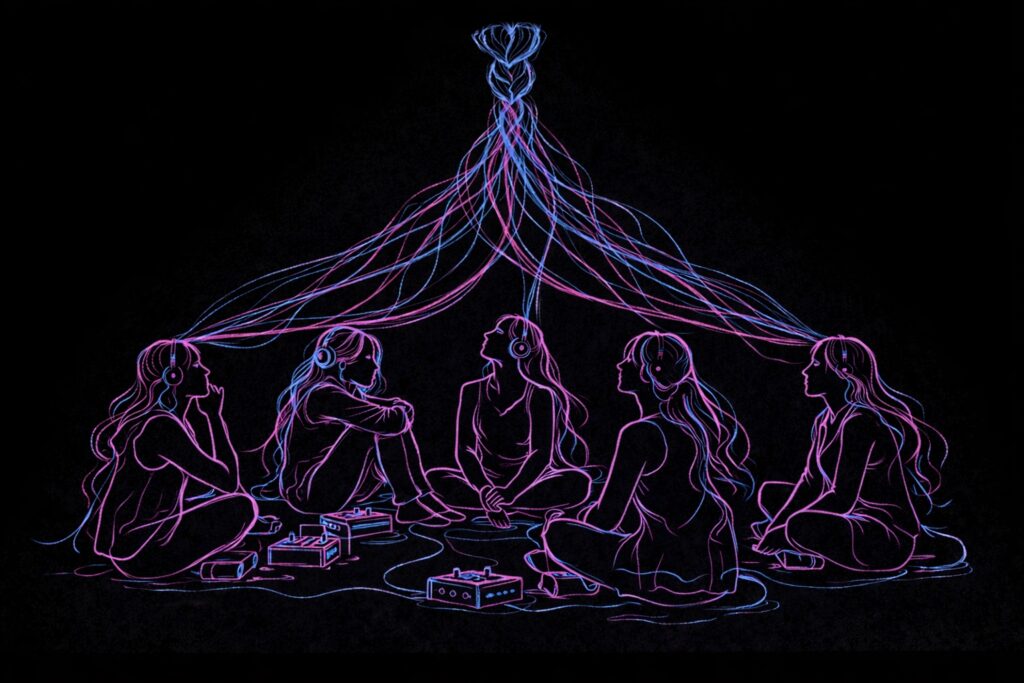
Experimentation with individual and collective scores, echoing the concept of the “human microphone” (a voice carried and amplified by others in collective struggle) or polyphonic music. The aim is not linear narration but multiplicity of voices. Experimentation with Lithuanian polyphonic songs sutartinės, whose very name comes from sutarti — “to come together, to agree, to be in accord.” These ancient vocal forms require bodies and voices to align through interlocking rhythms, canons, and tightly woven harmonies, creating a collective force that no single voice can produce alone.
The cyborg metaphor—a rewritten, technologically augmented body—appears through the looper, transforming a solitary voice into polyphony, and through autofictional scores that reprogram intimate language into collective tools. These cyborg-voices seek neither purity nor coherence: they saturate, resonate—voices capable of diverting dominant narratives. The approach follows feminist lines of thought such as Donna Haraway’s Cyborg Manifesto, which rejects fixed dualisms.
Creation Timeline
Research in Lithuania — June–July 2026 , Kaunas Generation House & Social Services Centre.
Research in Belgium — August – October 2026 (support centers TBD: CPVCF, Porte Ouverte, Maison Rue Verte, Réseau Oasis).
Research residency and Summer school in Materiais Diversos, Portugal, in collaboration with Grand Studio – 13-26 July 2026.
Residency in Grand Studio, Belgium— 3-23 August 2026
Residency + work in progress presentation — October 2026, Kaunas Kamerinis Theatre.
Residency Ukmerge Cultural Center, Lithuania – November 2026
Residency + work in progress presentation – Sodas123, Lithuania – November 2026